Marble shower: pros, cons, slip-resistant finishes and care
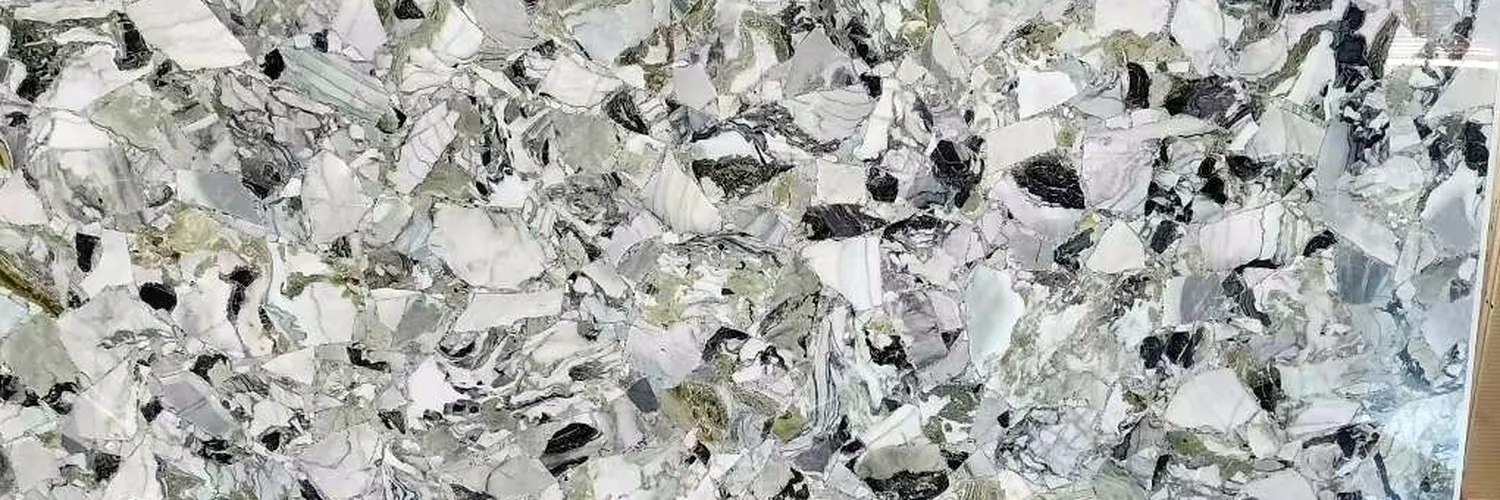
A marble shower changes the whole bathroom. It works very well, but three decisions make all the difference: the finish, the slope of the floor and how you are going to clean it.
Real marble or cultured marble
When you search for "marble shower", two very different products come up:
- Natural marble: slabs or tiles of real stone, every piece unique.
- Cultured marble: marble dust mixed with resin and moulded, usually with a glossy gel coat. It is cheaper and lighter, but uniform, and it is not natural stone.
This guide is about the first.
Shower walls: slabs or tiles
- Full slabs: few or no joints, easy to clean and the most striking option. A book-matched pair on the back wall is the classic luxury move.
- Tiles: easier to install and adapt, but more grout lines to maintain.
Walls are the easiest part of a shower for marble: they are not walked on, so even a polished finish works well there.
The shower floor: one piece or mosaic
- One-piece marble floor (shower pan): a slab is carved with a slope towards a linear or central drain. It is seamless and very elegant, but it needs precise measuring and a slab of the right size.
- Mosaic or small tiles: they adapt to any shape, and the many grout lines give your feet more grip.
For a curbless shower, the slope has to be gentle but enough for the water not to pool. It is often around 1–2%, and your installer will set it according to the drain.
The finish: make it slip resistant
Wet polished marble is slippery, so it is not a good idea for the shower floor. Choose one of these finishes instead:
- Honed (matte): smooth to the touch, with more grip than polished.
- Leathered: a gently undulating texture that grips well.
- Bush-hammered or sandblasted: rough, the most slip resistant.
- Grooved: channels cut into the stone that also guide water to the drain.
The big enemy: hard water and acidic cleaners
In a shower, marble has to cope with hard water deposits, and most limescale removers are acidic: they attack the calcite and leave the stone dull and rough. To make it last:
- Use a squeegee or a towel after every shower. It is the single best thing you can do.
- Clean with mild soap or a natural stone cleaner. Never use regular limescale removers, vinegar or bleach.
- Watch out for very acidic or strongly coloured shampoos and shower gels: rinse off any residue.
- Seal the stone before first use and reseal every 1–2 years.
If your water is very hard, dark marbles show white mineral marks more; light ones hide them better.
Which marbles work best
- Soft grey and white veining (such as Invisible Grey or Carrara) hides water spots and deposits.
- Bold patterns, such as Calacatta Viola, are spectacular on the shower walls, where they are not walked on.
- If you want something tougher, a quartzite or a granite with a textured finish copes better with hard water and cleaning products. See marble vs quartzite.
The rest of the bathroom
Vanities, walls and countertops are some of the best places for marble, as we explain in marble in the bathroom. For a made-to-measure shower, request a quote with your measurements and we will show you real slabs.
Have a project in mind?
Ask us for a no-obligation quote: we will reply with an indicative price.